 louisnw
06b605d3a7
louisnw
06b605d3a7
Tables Feature
- Added the `create_table` method, which returns a `Table` object. This can be used to display watchlists, order windows, position windows and more.
- See the new page on the docs for more information!

Bugs
- Fixed a bug preventing the named column of a line to not work as a label of the series.
- Fixed a bug causing drawings loaded from the minute timeframe to not show on a daily timeframe.
- Fixed a bug causing `chart.exit` to not work.
- Fixed a bug preventing the chart from being moved after placing a ray.
- Fixed the ‘price in hoveringOver’ web console error.

Enhancements
- The date/time column can also be the `name` of the passed series object.
- Added the `label` method to `HorizontalLine`, allowing for the price line label of horizontal lines to be updated.
- `None` or an empty DataFrame can now be passed to `line.set` as a means to clear it.
- Seperate Chart objects will now run on the same pywebview instance. This means that any Chart objects created after the first will inherit the first Chart’s API.
- Reorganized the documentation for clarity.
lightweight-charts-python




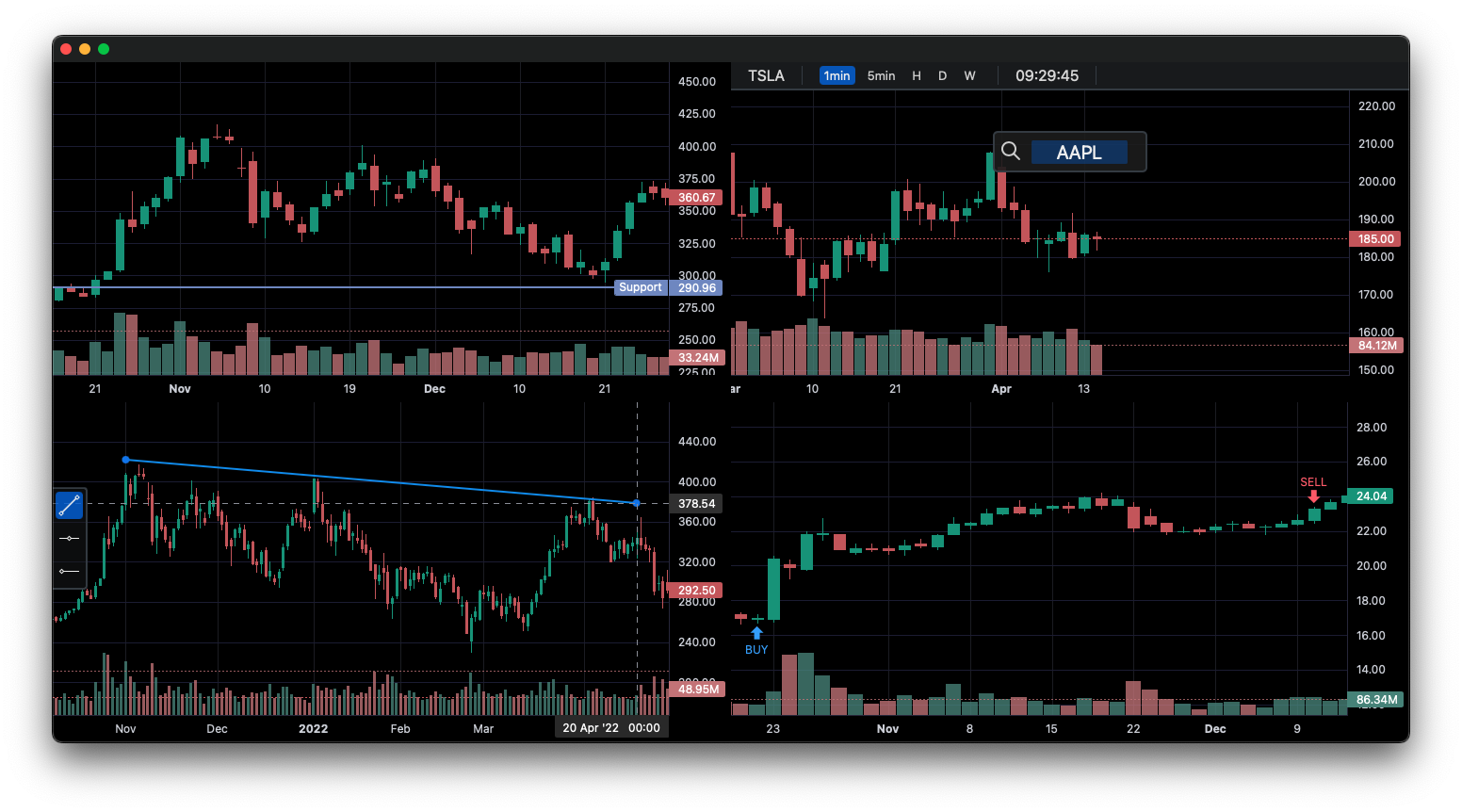
lightweight-charts-python aims to provide a simple and pythonic way to access and implement TradingView's Lightweight Charts.
Installation
pip install lightweight-charts
- White screen? Having issues with pywebview? Click here.
Features
- Simple and easy to use.
- Blocking or non-blocking GUI.
- Streamlined for live data, with methods for updating directly from tick data.
- Multi-Pane Charts using the
SubChart. - The Toolbox, allowing for trendlines, rays and horizontal lines to be drawn directly onto charts.
- Callbacks allowing for timeframe (1min, 5min, 30min etc.) selectors, searching, hotkeys, and more.
- Tables for watchlists, order entry, and trade management.
- Direct integration of market data through Polygon.io's market data API.
Supports: Jupyter Notebooks, PyQt, wxPython, Streamlit, and asyncio.
PartTimeLarry: Interactive Brokers API and TradingView Charts in Python
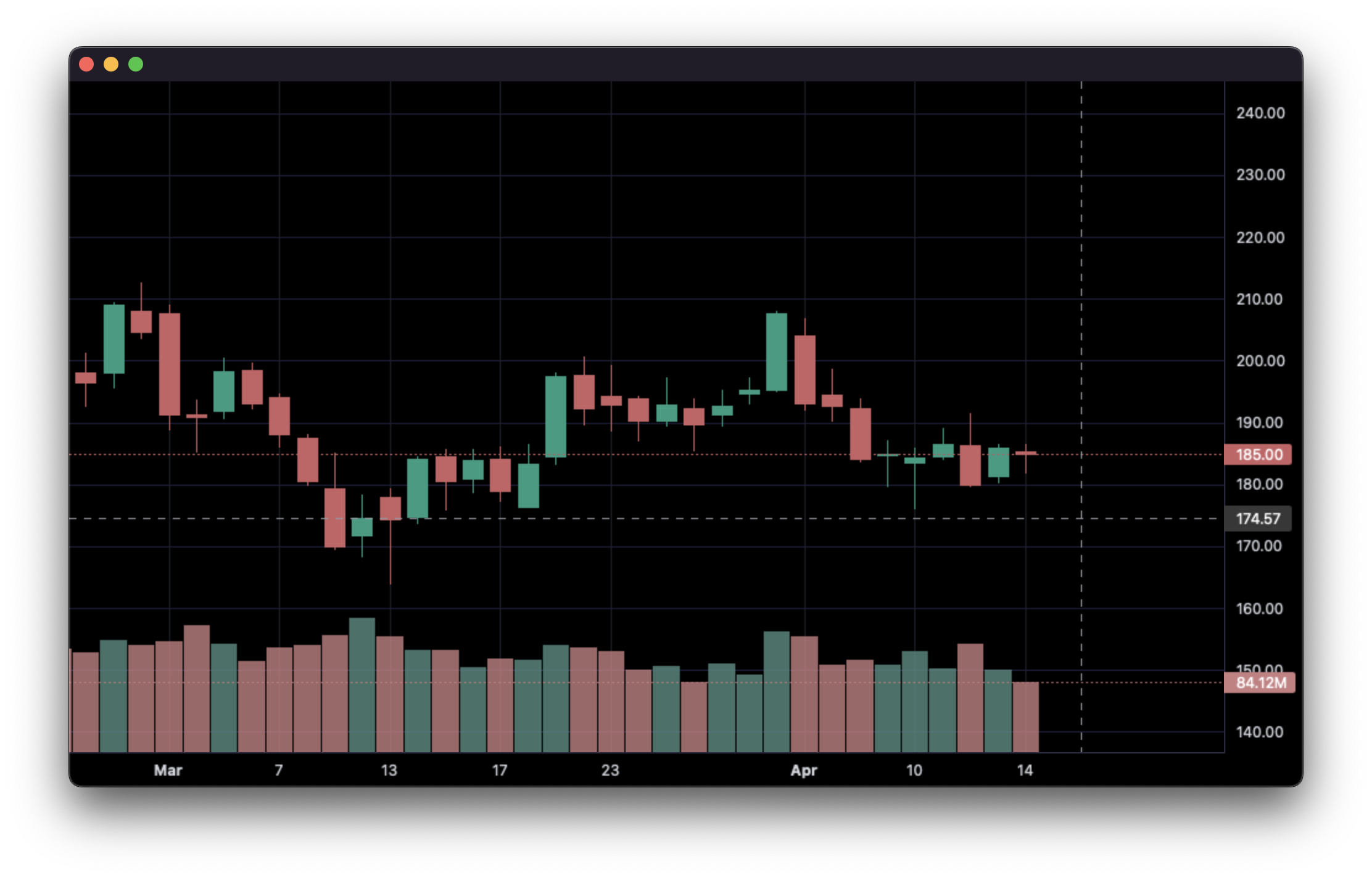
1. Display data from a csv:
import pandas as pd
from lightweight_charts import Chart


if __name__ == '__main__':

    chart = Chart()

    # Columns: | time | open | high | low | close | volume (if volume is enabled) |
    df = pd.read_csv('ohlcv.csv')
    chart.set(df)

    chart.show(block=True)
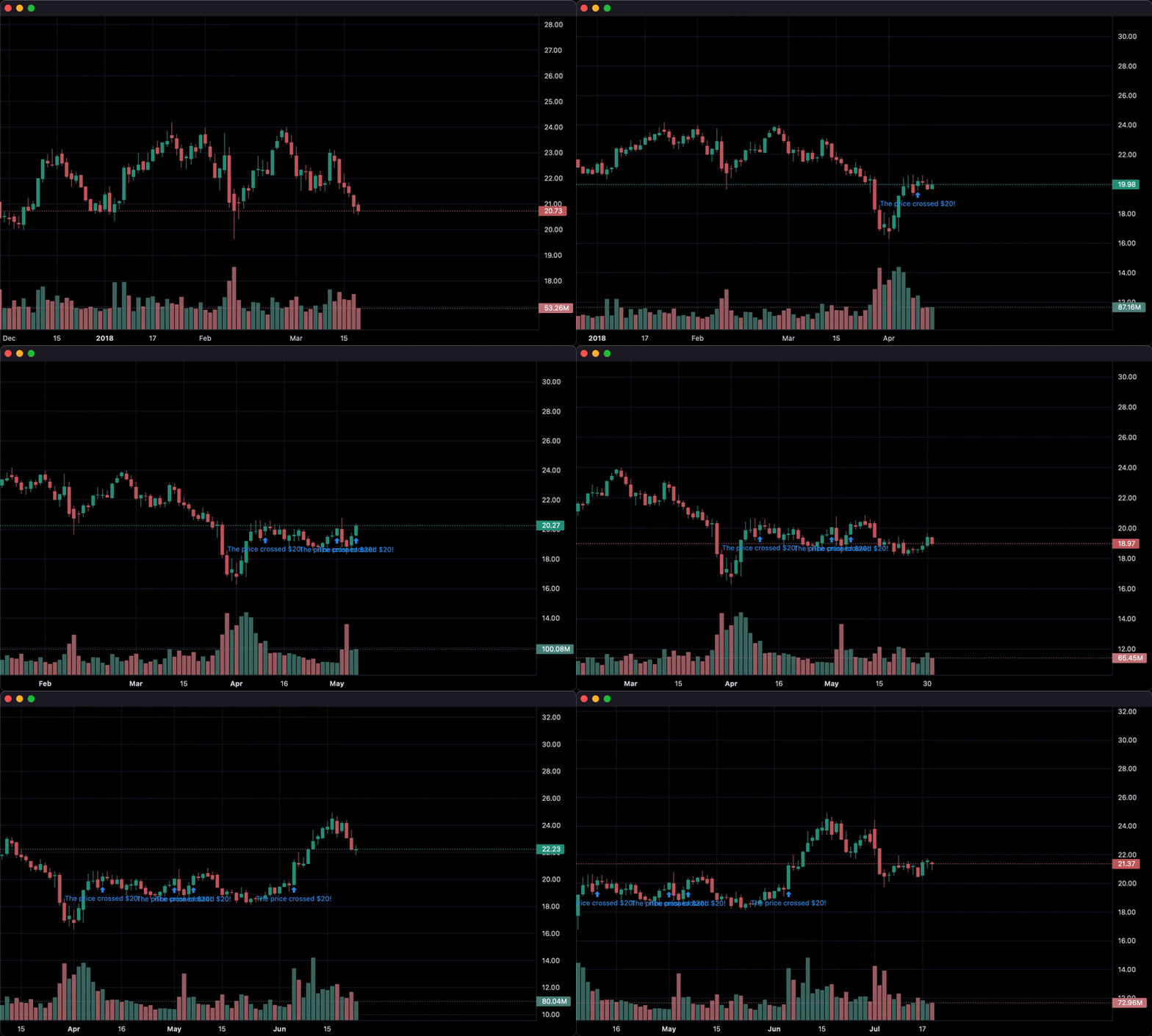
2. Updating bars in real-time:
import pandas as pd
from time import sleep
from lightweight_charts import Chart

if __name__ == '__main__':

    chart = Chart()

    df1 = pd.read_csv('ohlcv.csv')
    df2 = pd.read_csv('next_ohlcv.csv')

    chart.set(df1)

    chart.show()

    last_close = df1.iloc[-1]

    for i, series in df2.iterrows():
        chart.update(series)

        if series['close'] > 20 and last_close < 20:
            chart.marker(text='The price crossed $20!')

        last_close = series['close']
        sleep(0.1)
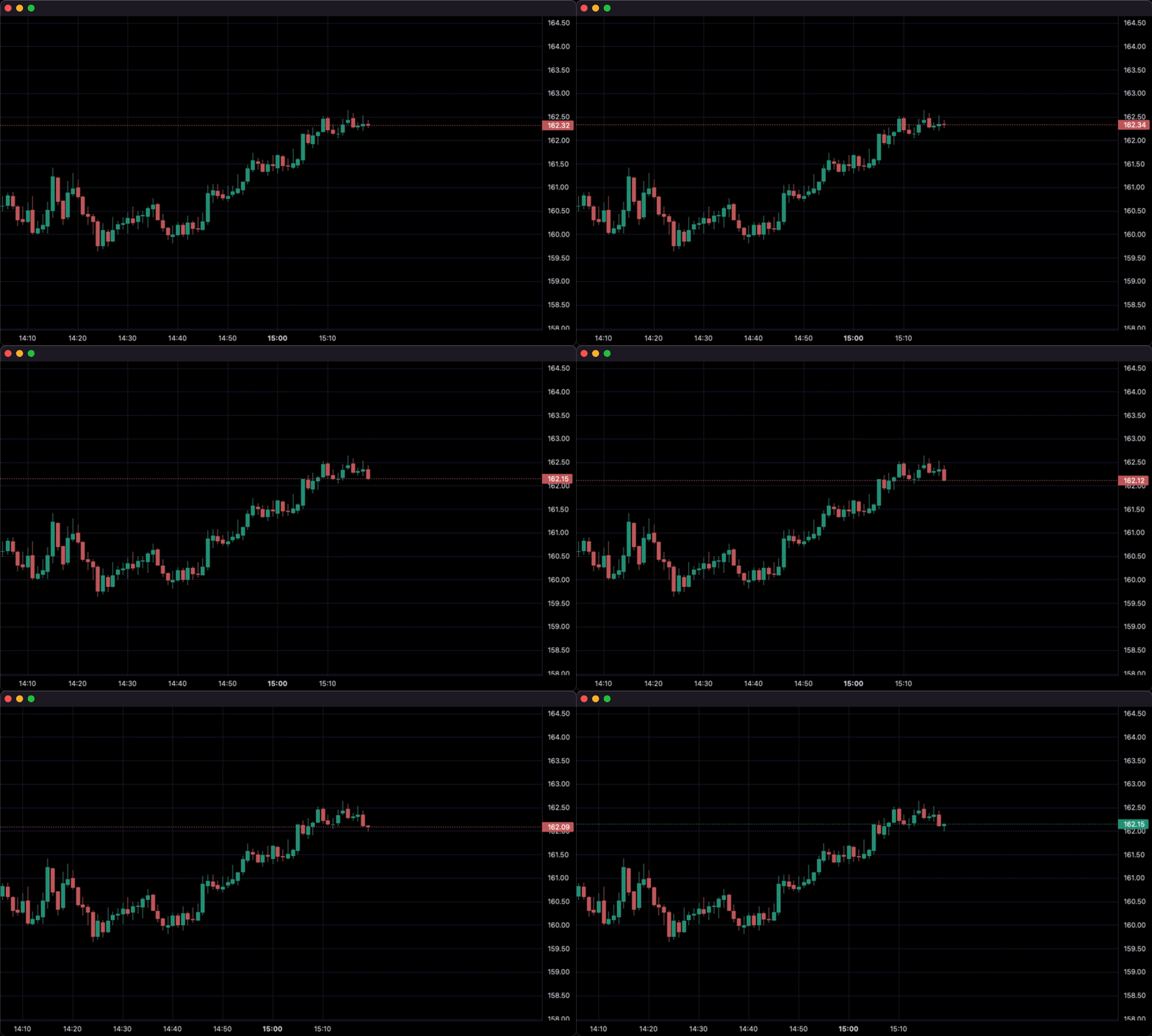
3. Updating bars from tick data in real-time:
import pandas as pd
from time import sleep
from lightweight_charts import Chart


if __name__ == '__main__':

    df1 = pd.read_csv('ohlc.csv')

    # Columns: | time | price | volume (if volume is enabled) |
    df2 = pd.read_csv('ticks.csv')

    chart = Chart(volume_enabled=False)

    chart.set(df1)

    chart.show()

    for i, tick in df2.iterrows():
        chart.update_from_tick(tick)

        sleep(0.3)
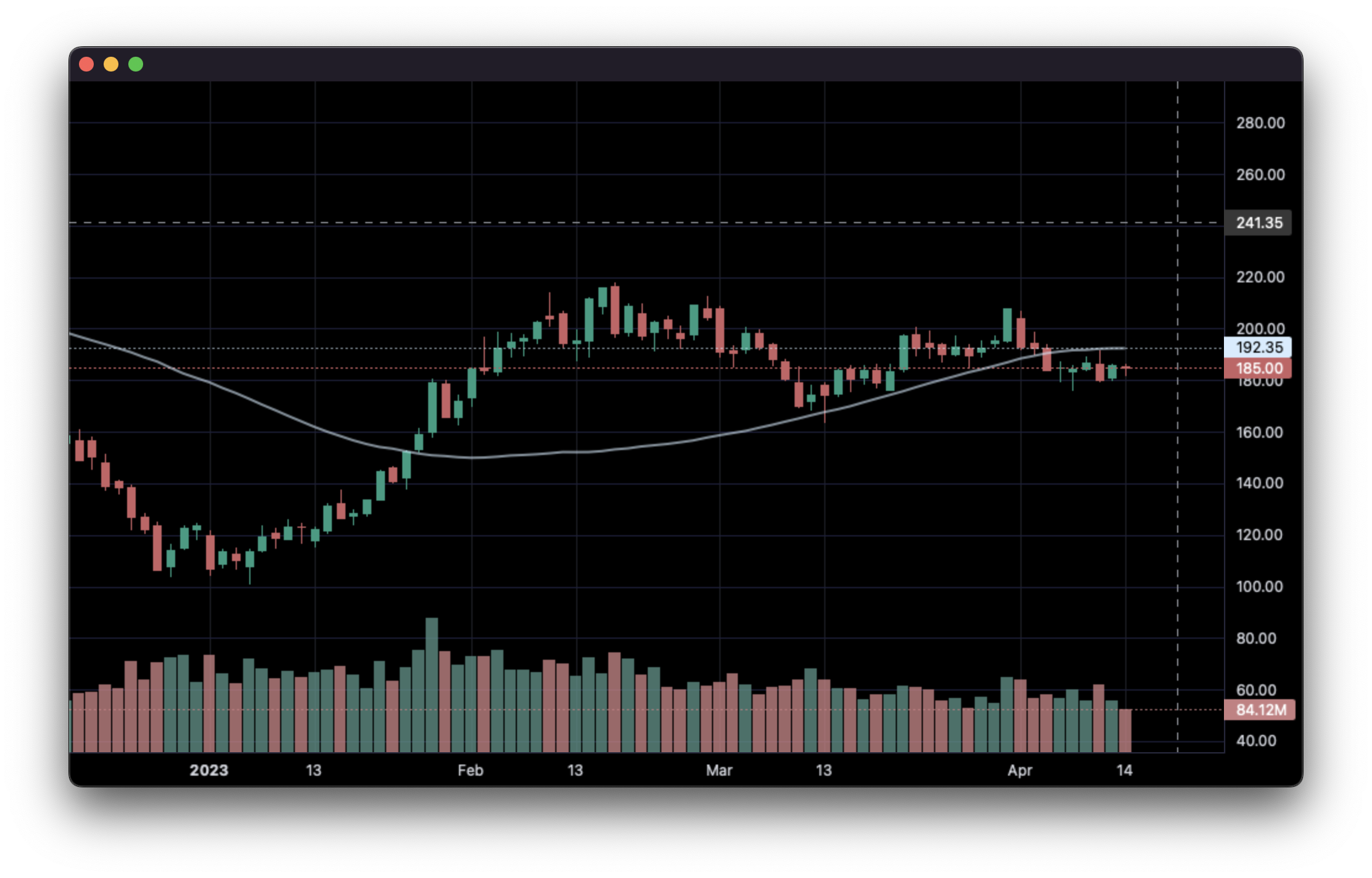
4. Line Indicators:
import pandas as pd
from lightweight_charts import Chart


def calculate_sma(data: pd.DataFrame, period: int = 50):
   def avg(d: pd.DataFrame):
      return d['close'].mean()

   result = []
   for i in range(period - 1, len(data)):
      val = avg(data.iloc[i - period + 1:i])
      result.append({'time': data.iloc[i]['date'], f'SMA {period}': val})
   return pd.DataFrame(result)


if __name__ == '__main__':
   chart = Chart()
   chart.legend(visible=True)

   df = pd.read_csv('ohlcv.csv')
   chart.set(df)

   line = chart.create_line()
   sma_data = calculate_sma(df, period=50)
   line.set(sma_data, name='SMA 50')

   chart.show(block=True)
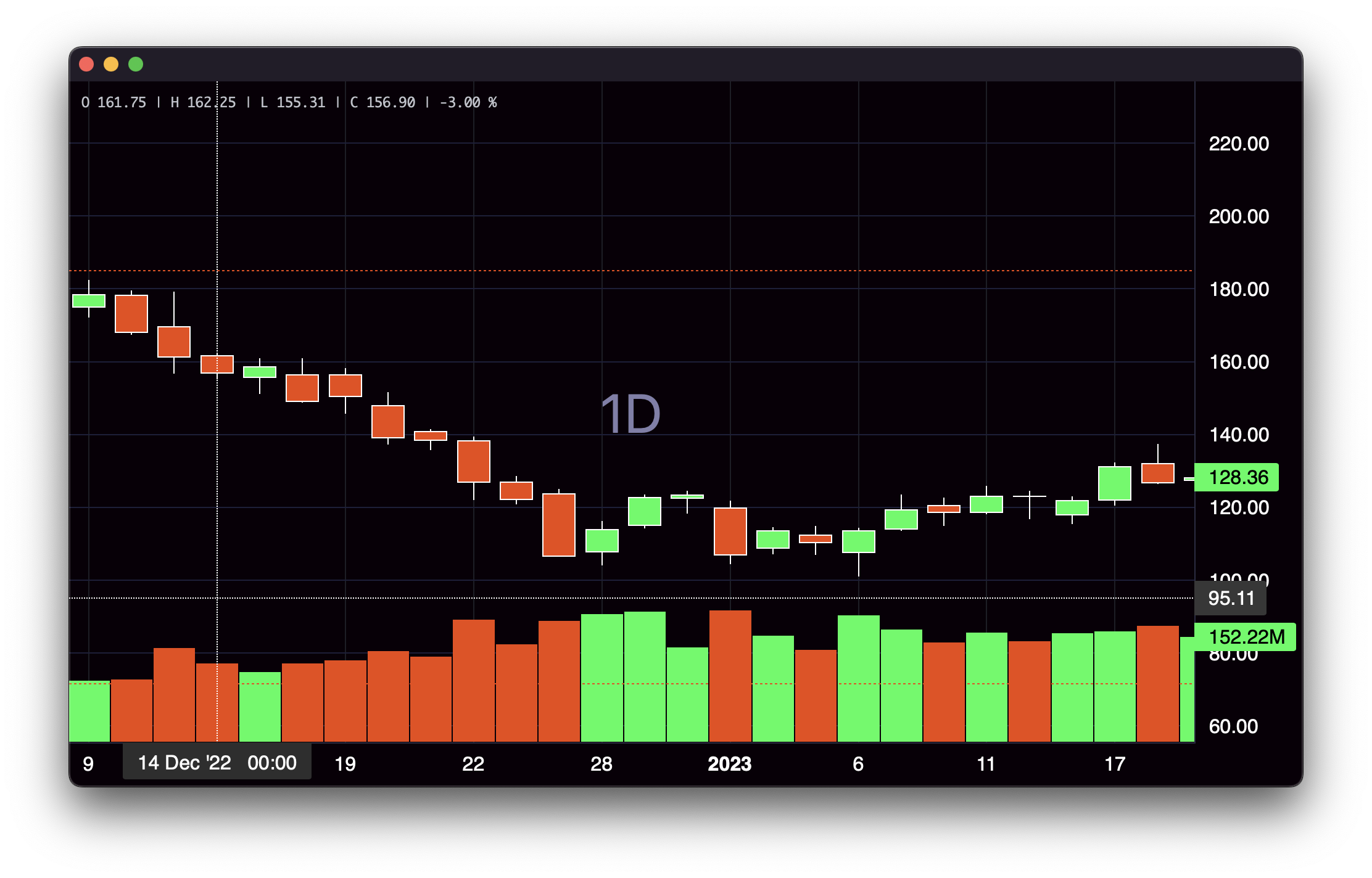
5. Styling:
import pandas as pd
from lightweight_charts import Chart


if __name__ == '__main__':

    chart = Chart(debug=True)

    df = pd.read_csv('ohlcv.csv')

    chart.layout(background_color='#090008', text_color='#FFFFFF', font_size=16,
                 font_family='Helvetica')

    chart.candle_style(up_color='#00ff55', down_color='#ed4807',
                       border_up_color='#FFFFFF', border_down_color='#FFFFFF',
                       wick_up_color='#FFFFFF', wick_down_color='#FFFFFF')

    chart.volume_config(up_color='#00ff55', down_color='#ed4807')

    chart.watermark('1D', color='rgba(180, 180, 240, 0.7)')

    chart.crosshair(mode='normal', vert_color='#FFFFFF', vert_style='dotted',
                    horz_color='#FFFFFF', horz_style='dotted')

    chart.legend(visible=True, font_size=14)

    chart.set(df)

    chart.show(block=True)
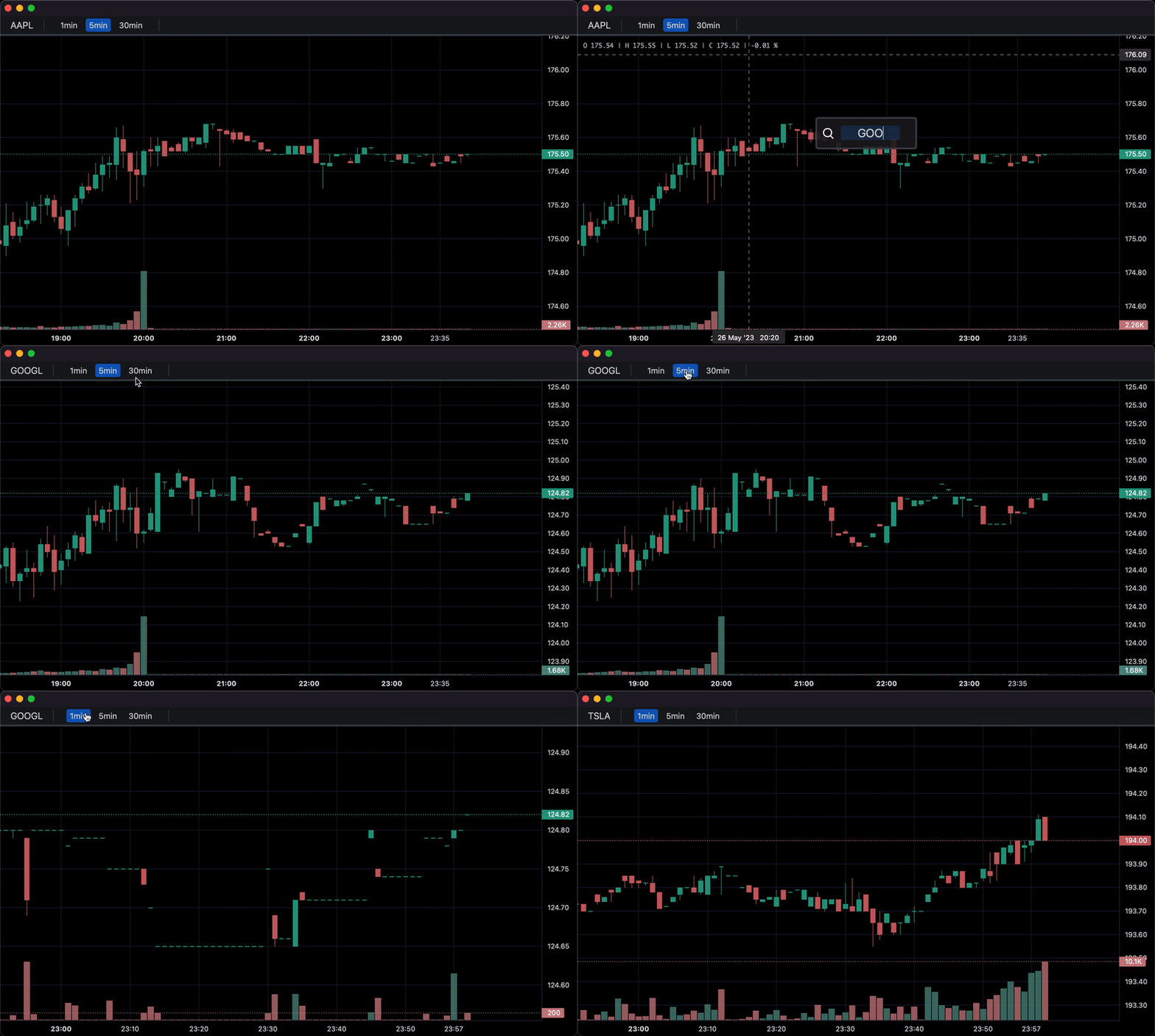
6. Callbacks:
import pandas as pd
from lightweight_charts import Chart


def get_bar_data(symbol, timeframe):
    if symbol not in ('AAPL', 'GOOGL', 'TSLA'):
        print(f'No data for "{symbol}"')
        return pd.DataFrame()
    return pd.read_csv(f'../examples/6_callbacks/bar_data/{symbol}_{timeframe}.csv')


class API:
    def __init__(self):
        self.chart = None  # Changes after each callback.

    def on_search(self, searched_string):  # Called when the user searches.
        new_data = get_bar_data(searched_string, self.chart.topbar['timeframe'].value)
        if new_data.empty:
            return
        self.chart.topbar['symbol'].set(searched_string)
        self.chart.set(new_data)

    def on_timeframe_selection(self):  # Called when the user changes the timeframe.
        new_data = get_bar_data(self.chart.topbar['symbol'].value, self.chart.topbar['timeframe'].value)
        if new_data.empty:
            return
        self.chart.set(new_data, True)

    def on_horizontal_line_move(self, line_id, price):
        print(f'Horizontal line moved to: {price}')


if __name__ == '__main__':
    api = API()

    chart = Chart(api=api, topbar=True, searchbox=True, toolbox=True)
    chart.legend(True)

    chart.topbar.textbox('symbol', 'TSLA')
    chart.topbar.switcher('timeframe', api.on_timeframe_selection, '1min', '5min', '30min', default='5min')

    df = get_bar_data('TSLA', '5min')
    chart.set(df)

    chart.horizontal_line(200, interactive=True)

    chart.show(block=True)
Inquiries: shaders_worker_0e@icloud.com
This package is an independent creation and has not been endorsed, sponsored, or approved by TradingView. The author of this package does not have any official relationship with TradingView, and the package does not represent the views or opinions of TradingView.